Custom El Cajon Top Paver Installation for Stylish Outdoor Spaces
Enhance Your Outdoor Environment: Professional Landscaping Advice for a Beautiful Residential Garden
Transforming an outdoor space into a stunning home garden involves careful planning and thoughtful execution. By assessing the distinct features of a yard, individuals can establish definitive garden objectives. Selecting plants suited to the regional weather is critical. Additionally, incorporating functional hardscaping elements improves both aesthetics and usability. However, the process doesn't end there. Discovering how to maintain vibrancy and sustainability can elevate any garden to the next level. Which approaches will lead to enduring achievement?
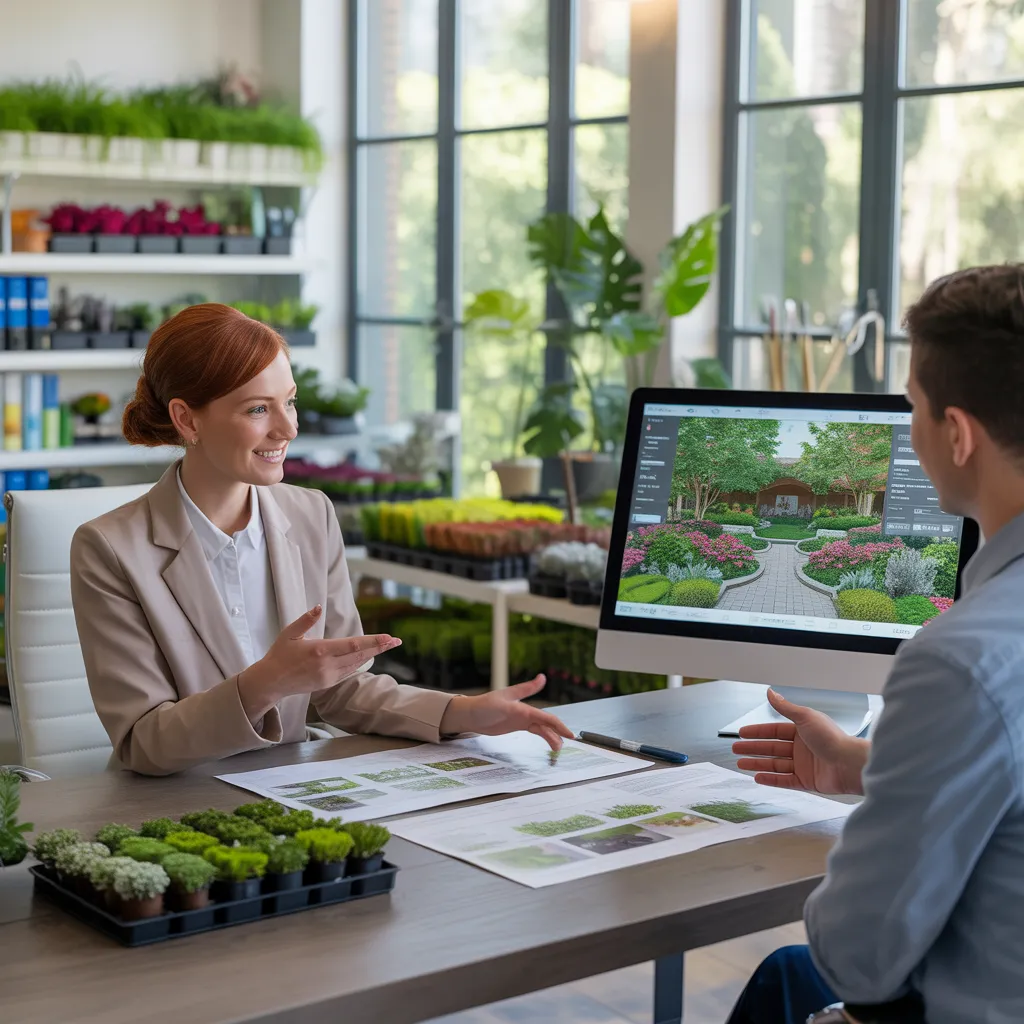
Examine Your Property to Determine Your Landscaping Objectives
Before starting on any garden work, it is vital for property owners to evaluate their outdoor space thoroughly. This first assessment enables them to understand the distinct features of their yard, including light conditions, ground composition, and current plants. Determining these elements assists with deciding which design elements and features can be successfully incorporated into the space.
Homeowners should take measurements and document any barriers including vegetation, barriers, or walkways that could affect the design. Furthermore, understanding individual tastes and lifestyle needs—including entertainment areas, plant cultivation, or leisure—can direct the landscaping goals. By clearly defining these aims, property owners create a strong foundation for a cohesive and functional exterior area. This thoughtful assessment ultimately leads to a more rewarding and successful garden renovation, guaranteeing the outdoor space improves not just the home's aesthetic but furthermore meets the practical needs of its inhabitants.
Pick the Ideal Plants for Your Area's Weather
Choosing the ideal vegetation for a specific climate is vital for creating a flourishing exterior environment. overview Comprehending regional climate conditions, including heat levels, rainfall, and moisture levels, enables homeowners choose vegetation that will thrive. Native plants typically adjust best, needing less maintenance and water. For instance, drought-resistant varieties are ideal for arid regions, whereas water-preferring plants thrive in moisture-rich environments.
Gardeners should additionally consider climate variations; choosing plants that provide year-round interest improves the landscape. Early bloomers, warm-season vegetation, and colorful autumn leaves can produce a striking visual display. Additionally, speaking with regional nurseries or extension services can provide valuable insights into hardy plant varieties suited to specific conditions.
Finally, a well-planned vegetation arrangement enhances not only beauty but also supports native fauna and advances environmental sustainability, which makes it a smart decision for every outdoor space transformation.
Elevate Your Garden Through Functional Hardscaping Additions
Functional hardscaping elements serve as essential components in defining outdoor spaces and enhancing their usability. By incorporating seating areas and thoughtfully constructed walkways, homeowners can create appealing outdoor areas that encourage relaxation and movement. Additionally, edging can define different zones within the garden, establishing layout and visual interest.
Establish Your Outdoor Setting
Creating a well-defined outdoor space can convert a yard into an welcoming sanctuary. One proven method to achieve this is through practical hardscape features, which create organization and organization. Walkways made from brick or stone guide guests while enhancing aesthetics. Support walls can establish layered heights, enhancing the garden's overall design and stopping soil loss. Fencing or trellises can delineate boundaries, providing privacy and a feeling of containment. Adding elevated planting areas not only defines planting areas but also makes them more accessible. These elements function together to create distinct zones that improve both visual appeal and practicality. Ultimately, a well-defined outdoor space fosters a serene environment where homeowners can relax and enjoy nature.
Add Seating Zones
Incorporating seating areas into an exterior environment greatly boosts its usability and visual interest. By adding practical hardscape features, homeowners can form inviting spots for rest, gathering, or appreciating the outdoors. Options include benches, patio sets, or hammocks, each adding to the landscape's visual charm and comfort. Carefully positioning chairs near prominent areas like plantings or decorative pools, motivates visitors to participate with their surroundings. Additionally, selecting materials such as natural wood or stone can complement the garden's design, maintaining design consistency. Protective coverings, such as pergolas or umbrellas, ensure relaxation during warmer months, keeping these spaces accessible year-round. Ultimately, carefully planned sitting zones reimagine a basic yard into a welcoming retreat for guests and loved ones.
Create Walkways And Edges
Borders and pathways function as important components in outdoor landscaping, conducting guests across the garden while strengthening its design quality. They support structure and direction, enabling the differentiation of distinct spaces and planting types. Brick, stone, or gravel options can create solid walkways, while borders derived from decorative barriers or plants enhance decorative quality. Pathways can encourage wandering, emphasizing elements like garden beds or fountain features. Well-maintained borders curb weed invasion and soil degradation, enhancing garden wellness. When combined, pathways and borders improve practicality while increasing aesthetic refinement of your garden, creating areas that are more attractive and satisfying.
Establish Movement With Walkways and Seating Spots
A well-planned garden setting typically includes a balanced circulation established through deliberately situated walkways and rest zones. Walkways direct guests across the garden, providing a definite sense of orientation while enriching the general visual quality. Selecting options such as wood, stone, or gravel can add to the walkway's aesthetic value and ensure longevity.
Sitting spaces create pause areas, inviting guests to sit and value the surroundings. Positioning seating strategically beside focal features, like a waterfall or a flower display, promotes involvement with the garden. Your seating preference—benches, chairs, or even lounges—influences the vibe, whether casual or sophisticated.
Combining walkways and sitting spaces generates a warm environment, upgrading utility and contentment. In tandem, they construct a smooth flow between distinct areas of the garden, stimulating exploration and rest, ultimately reshaping any exterior setting into a calm escape.
Enrich Your Outdoor Space With Seasonal Shades and Character
To enhance the visual appeal of a garden, careful selection of seasonal plants is essential. Layering different textures can add depth and interest, while strategically placed focal points can draw the eye and create a cohesive design. These elements together guarantee a vibrant and dynamic outdoor space throughout the year.
Choose Seasonal Plants Thoughtfully
Selecting seasonal plants wisely can transform any garden into a dynamic display of colors and textures. By choosing plants that bloom at different times throughout the year, gardeners can guarantee a year-round showcase of blooms. Spring bulbs, summer flowering plants, fall-blooming perennials, and evergreen winter plants each contribute distinctive colors and shapes to the landscape. It is essential to consider regional weather and earth composition, as well as the plants' development patterns. Indigenous plants often thrive better and require less maintenance, boosting ecological diversity. Additionally, mixing plants of different sizes and flowering periods can produce an engaging visual display. Ultimately, thoughtful selection fosters a garden that evolves with the seasons, providing beautiful displays all year long.
Establish Textured Layers To Generate Dimensional Appeal
Generating garden depth calls for blending textures that harmonize with and boost seasonal colors. By incorporating a variety of plants with differing foliage shapes, sizes, and colors, one can establish a dynamic garden composition. For instance, combining full-leaved plants with thin-bladed grasses can create contrast and intrigue. Additionally, weaving in bark, gravel, and ecological materials presents tactile elements that strengthen the garden experience. Seasonal flowers must be thoughtfully placed to provide bursts of color throughout the year, ensuring that each layer remains visually interesting. This thoughtful arrangement not only draws the eye across the garden but also builds an engaging setting where all components add to the aesthetic beauty and order.
Use Design Anchors Strategically
Intentionally placing focal points can remarkably boost a garden's aesthetic quality and seasonal richness. These focal points provide anchors that attract the gaze and foster landscape unity. Gardeners can apply additions like sculptures, ornamental specimens, or radiant planting beds to establish visual interest. Seasonal blooms can be introduced via the careful selection of plants that bloom at different times, ensuring that the garden remains dynamic throughout the year. Textures also hold importance; blending flat stone surfaces with uneven bark or thick plant life establishes depth. By thoughtfully placing these elements, a gardener can create an inviting atmosphere that encourages exploration and appreciation, reshaping outdoor grounds into a fascinating hideaway.
Utilize Eco-Friendly Strategies for Promoting a Vibrant Garden
Adopting environmentally-conscious approaches is essential for nurturing a flourishing garden that develops in alignment with the surroundings. Gardeners are recommended to use native plants, which necessitate minimal liquid and attention while strengthening community creatures. Adopting organic gardening approaches, including nutrient recycling and natural pest solutions, can greatly reduce synthetic chemical use, building a healthier environment.
Water-efficient strategies, comprising precision irrigation and water collection systems, improve environmental responsibility by maximizing resource use. Applying mulch preserves hydration additionally suppresses weed growth, lowering the requirement for herbicides. Moreover, supporting biological diversity by integrating varied vegetation promotes durability against pest infestations plus plant diseases.
Soil condition is essential; strategies such as crop cycling and protective cropping sustain nutrient levels excluding the need for artificial nutrients. Through adopting these green methods, horticulturists can build a flourishing space supporting vegetation and the environment, producing a greater horticultural experience.
Address Standard Challenges to Keep Year-Round Garden Appeal
A well-kept landscaped area can confront many problems during all seasons, impacting its overall aesthetics as well as well-being. Standard difficulties include pest issues, insufficient nutrients, along with insufficient water. Spotting pests early is important; horticulturists should regularly inspect leaves for signs of damage plus handle infestations employing chemical-free pesticides or instead adding beneficial insects.
Lacking minerals often manifest as discolored leaves along with reduced growth. Doing soil analysis can allow pin down individual necessities, making possible for targeted fertilization Lacking minerals frequently manifest as yellowing leaves or limited growth. Performing soil examinations can assist establish particular demands, allowing precise nutrient application returning equilibrium. Moreover, guaranteeing proper irrigation is essential; too much water can result in rotted roots, whereas under-irrigation strains growing things.
Seasonal changes furthermore necessitate modifications to care. Over winter, mulching shields root systems from frost, whereas summer can require increased watering and shade protection for sensitive plants. By tackling such common issues promptly
Can I Perform Landscaping Myself or Engage a Professional?
Certainly, you can undertake landscaping projects solo, using online resources and imagination. Nonetheless, engaging an expert ensures knowledge, efficiency, and better outcomes, particularly for complex designs or larger projects requiring specialized skills.
What Items Do You Require for Yard Landscaping?
Required implements for residential landscaping consist of a leaf rake, garden shovel, digging tool, pruning scissors, garden fork, and a hose or water can. These items support in efficiently handling earth, garden plants, and general garden upkeep, delivering quality landscaping.
How Can I Effectively Keep My Garden Area Throughout the Seasons?
For keeping a garden across the seasons, you should consistently cut back greenery, apply protective mulch for protection, check hydration levels, and implement seasonal planting approaches. Furthermore, pest management and nutrient application are required for flourishing, vibrant plants.